

Every February, Black Americans pause to honor the contributions, struggles and triumphs of our ancestors and living giants during Black History Month. But this observance didn’t come by chance—it’s the result of intentional choices made by educators, activists and leaders who understood the power of historical memory.
The roots of this celebration stretch back further than many realize. As early as 1915, during the 50th anniversary of Emancipation , there were discussions and small-scale efforts to commemorate the occasion and celebrate Black history. These early conversations reflected a growing awareness among Black intellectuals and community leaders that African American contributions were being systematically omitted from the nation’s historical narrative. While these initial efforts were limited in scope, they planted seeds that would eventually blossom into a nationwide movement.
Now, your favorite HBCU Zaddy is checking in with car fax before you utter out the phrase “Why do we have the shortest month".”
Walk with me:
Carter G. Woodson and the Birth of Negro History Week
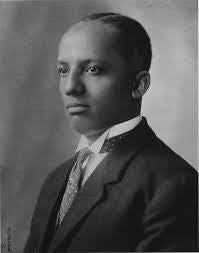
The origins of Black History Month trace back to 1926, when historian Carter G. Woodson, often called the “Father of Black History,” established Negro History Week. Woodson, a member of the Omega Psi Phi fraternity, collaborated with his frat brothers in 1924 to develop the concept of dedicating time to celebrate and study African American history.
Woodson believed that the contributions of Black Americans were being systematically erased from mainstream education and historical narratives. Through his work with the Association for the Study of Negro Life and History (now the Association for the Study of African American Life and History), he sought to counter this erasure by promoting scholarly research and public awareness of Black history.
Negro History Week was established during the second week of February, and this timing was no accident.
The Significance of February


February was specifically chosen to honor two towering figures in the fight for Black freedom and equality—President Abraham Lincoln and Frederick Douglass.
Abraham Lincoln, whose birthday falls on February 12, issued the Emancipation Proclamation on January 1, 1863, declaring freedom for enslaved people in Confederate states. This executive order was a pivotal moment in American history, marking the beginning of the end of slavery in the United States.
Frederick Douglass, the renowned abolitionist, orator and writer, never knew his actual birth date—a common tragedy for those born into slavery. He chose to celebrate his birthday on February 14.
By anchoring Negro History Week in February, Woodson created a living connection between the past struggles for liberation and the ongoing work of documenting and celebrating Black history.
From Week to Month
The transformation from Negro History Week to Black History Month occurred during the 1960s and 1970s, a period marked by the rise of the Black Power movement and a broader push for civil rights and Black cultural pride. Students and educators at Black colleges and universities began extending the week-long celebration into a month-long observance.
Presidential Recognition
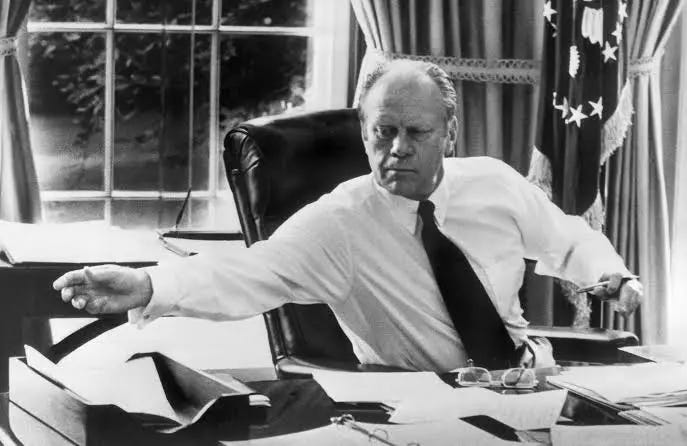
In 1976, during the United States Bicentennial celebration, President Gerald Ford officially recognized Black History Month. In his proclamation, Ford called upon Americans to “seize the opportunity to honor the too-often neglected accomplishments of Black Americans in every area of endeavor throughout our history.”
A Living Legacy
Today, Black History Month continues the work that Carter G. Woodson began nearly a century ago. It serves as an annual reminder that Black history is American history and one thing about it, you cannot erase our work in building America to what she is today.
So my friends, this is why we have Black History Month in February.
Thank you for educating us!!!
My key takeaways ‘HBCU Zaddy’ and Frederick Douglass opting to be an Aquarius 😆
Thank you for this 💎 Carter G. Woodson’s impact was transformational. He doesn’t get nearly enough recognition.