

This is a topic that I speak about often — and it receives the same response across the board. "You're right, we don't see enough men in these spaces." And honestly, it's exhausting.
It's quite easy to glaze over this point because from a surface level, we see men as beauty influencers, hairstylists, and the like — but the issue runs deeper. I know this firsthand because I've often been the only Black man present in these intimate spaces.
When examining women-owned brands, particularly Black women-owned brands, it's understandable that they market their services and products toward the demographic they know best. The familiarity ensures open wallets. However, many brands have overlooked a significant market opportunity by failing to recognize that men actively use beauty products too.
We're in an era where men, regardless of their sexual orientation or background, want to invest in comprehensive self-care routines — from haircare to skincare and everything in between. As someone who uses products marketed to both women and men, it's frustrating not seeing myself represented in these campaigns.
When brands do feature men, they often default to a stereotypical image: the six-pack athlete with cornrows and grills. For the love of all things sacred, we need more diversity.
Black men come in different shapes, sizes, and textures. It's time for brands to expand their vision and find new muses that truly represent the diverse male beauty consumer.
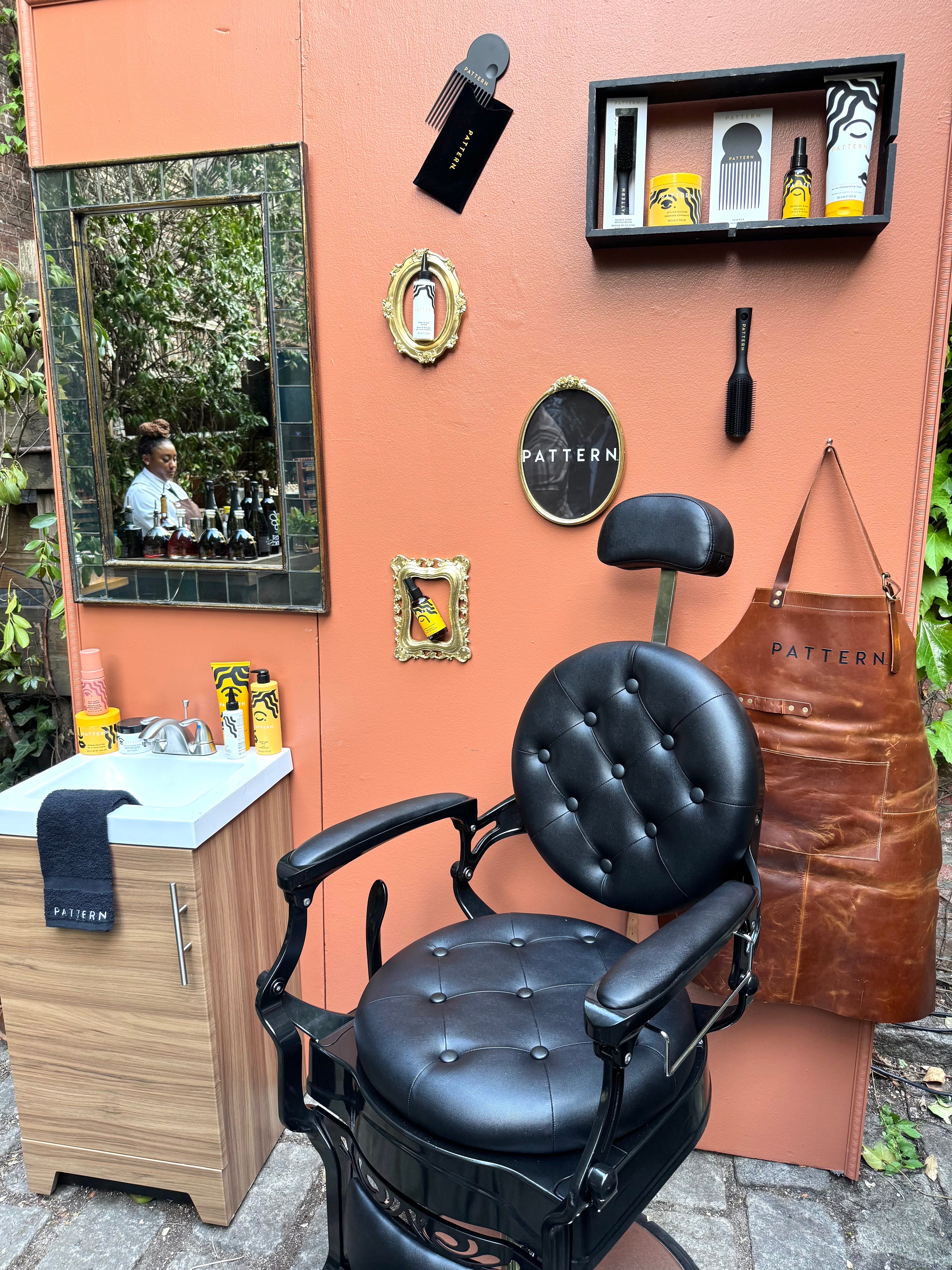
All of these feelings came up again as I attended a PATTERN Beauty event over the weekend which was honoring Black men and his relationship with the Barbershop chair.
One thing that attracts me to this brand is the fact that we don’t have to tell them that men use PATTERN Beauty haircare products, this is a message that they’ve always found a way to filter out — and have found ways to activate the brand IRL that also speaks to this message. It got me to thinking: If Tracee Ellis Ross and nem can do this, why can’t other brands??
And the answer is simple: they care.
There are numerous factors contributing to men's underrepresentation in the beauty industry, but one significant elephant in the room is homophobia. This uncomfortable truth needs to be addressed head-on.
From personal experience in the beauty industry, I've observed concerning patterns across different communities. Within the Black community, some women — though certainly not all — hold prejudiced views against gay men in beauty spaces. While this isn't representative of the entire community, these attitudes persist enough to create barriers.
Through candid conversations with industry colleagues, a recurring theme emerges: there's often an undercurrent of resistance when gay men enter traditionally female-dominated beauty spaces. This resistance, while rarely explicitly stated, manifests in subtle but impactful ways, often rooted in limited exposure to diverse perspectives and deeply held religious or cultural beliefs.
This issue extends beyond any single demographic. During my tenure as a Global Education specialist at IT Cosmetics, I encountered similar prejudices from white women who would openly object to receiving makeup advice from a man. Some would explicitly state, "I don't want a man telling me how to put on makeup," while pointing directly at me — making their bias unmistakably clear.
Now, it never moved me because I never gave a fuck anyway. I wasn’t raised to.
However, that instance has ALWAYS sat with me — and prompted me to raising my voice to bring awareness to this oversight.
Gives you something to think about, huh??
I feel you on this deeply !
Preach! 👏🏽👏🏽